10 Tips For Prams And Pushchairs For Newborns That Are Unexpected
Prams and Pushchairs for Newborns: A Comprehensive Guide
When it comes to getting ready for a brand-new baby, selecting the right pram or pushchair is a crucial job for expectant moms and dads. With a myriad of alternatives available, making a notified choice is vital for both security and benefit. This article aims to provide extensive insights into prams and pushchairs, concentrating on the unique requirements of newborns.
Comprehending Prams and Pushchairs
Before diving into specifics, it is essential to clarify the differences between prams and pushchairs.
Prams: Typically designed for infants, prams have a flat, fully reclined position ideal for newborns. They often include a large canopy and a carrycot, which supplies a safe and comfy area for the baby.
Pushchairs: These are more flexible and can typically be gotten used to accommodate growing kids. Modern pushchairs frequently have convertible seating choices, enabling an upright or reclined position, however they might not appropriate for newborns without additional support.
Both choices are created to supply comfort for the child and benefit for the caretaker, but choosing the best one depends upon different elements.
Factors to Consider When Choosing a Pram or Pushchair for Newborns
Choosing a pram or pushchair includes assessing numerous crucial elements:
Safety Standards: Prioritize products that fulfill nationwide and global safety standards. Look for functions such as safe harness systems, strong frames, and the absence of harmful materials.
Convenience: A well-padded seat and adjustable reclining positions are important for a newborn's convenience. The cushioning ought to be soft and breathable to avoid overheating.
Weight and Portability: For ease of usage, consider the weight of the pram or pushchair. Light-weight designs are easier to steer and store, however ensure they do not jeopardize on stability.
Adaptability: Many prams and pushchairs are developed to adjust as your child grows. Some models can convert from a pram to a pushchair and include safety seat accessories.
Storage Capacity: Check for a basket or storage compartment to accommodate diaper bags and other essentials. Adequate storage is especially crucial for getaways.
Maneuverability: A good pram or pushchair ought to be easy to steer and navigate in tight areas. Look for functions such as swivel wheels that accommodate turns and uneven surfaces.
Weather condition Protection: A sunshade or rain cover is useful to safeguard your baby from adverse climate condition. Prams For Newborn are easy to release and withdraw.
Design and style: While functionality is the primary concern, numerous parents appreciate stylish designs. Pick a color and material that matches your individual taste.
Types of Prams and Pushchairs
Here is a breakdown of typical kinds of prams and pushchairs offered on the market:
Type
Description
Perfect For
Standard Prams
Carrycot style with a concentrate on comfort and safety for babies.
Newborns as much as 6 months
Travel Systems
Combines a stroller with a safety seat for seamless shifts.
Parents on-the-go
Lightweight Strollers
Compact and simple to fold, appropriate for city occupants.
Traveling families
Jogging Strollers
Developed with long lasting wheels for simple maneuvering on numerous surfaces.
Active households
Convertible Strollers
Adapts from a pram to a stroller as the baby grows.
Long-lasting usage
Top Recommended Prams and Pushchairs for Newborns
Selecting from readily available alternatives can be intimidating. Here are some popular designs that regularly get full marks:
- Bugaboo Bee5: Known for its excellent maneuverability and light-weight frame.
- Silver Cross Wave: A top quality, versatile alternative that can transform as your baby grows.
- Uppababy Vista: Offers extensive storage and can accommodate numerous children as a stroller.
- Chicco Bravo Quick-Fold: Features a simple one-hand fold and appropriates for newborns when used with a suitable safety seat.
- Baby Jogger City Mini GT2: Combines robust functions with mobility for active households.
Frequently asked questions
**Q: What is the distinction between a carrycot and a pushchair seat?A: A carrycot is flat and developed specifically for newborns, enabling them to lie flat, whereas a pushchair seat is normally more upright and can be changed. Q: At what age can my baby shift
from a pram to a pushchair?A: Generally, babies can shift to a pushchair when they can sit up unassisted, usually around 6 months old, but always describe the maker's guidelines. Q: Are there prams and pushchairs that provide safety seat compatibility?A: Yes, numerous travel systems use compatibility with infant safety seat, making it simple to transition from vehicle to pram without troubling your baby. Q: How often need to I examine safety features?A: Regularly examine harness systems, wheel locks, and the frame for wear or damage to ensure ongoing safety for your child
**. Q: What must I try to find in terms of warranty and support?A: Choose a pram or pushchair that offers a significant guarantee duration, which can differ from brand to brand, and look for client
**assistance options in case of issues. Choosing the best pram or
pushchair for a newborn is a choice that requires mindful idea and consideration. Comprehending the distinctions in between prams and pushchairs, assessing their functions, and comparing
numerous designs empower parents to make the best choice for their little one. By investing time in research study and referencing the info provided, new parents can guarantee that their baby experiences convenience and security during their getaways, leading the way for pleasurable adventures together in the years to come. 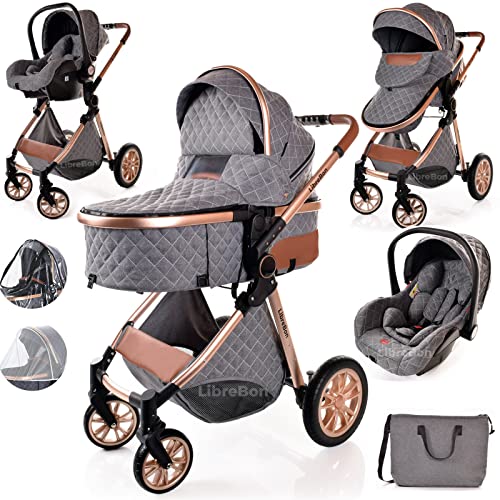 ******